
O poets
return,
we have swept
your homeland clean
of thorns and splinters
O writers
return,
to make a record of your works
we have ordered paper from all over the world
O mothers
return,
we have made all the prisons
into schools and universities
O young people
return,
and for your country’s future
lay a new foundation
O painters
return,
and on war’s blood-soaked walls
paint the white dove of peace
O architects
return,
and for all these returnees
build their houses over corpses
of their dead, who stayed and struggled
A dictator invites the opposition in diaspora back home.
- Describe the speaker in the poem. What do they look like? How old are they? What gender, race, or ethnicity are they? What has their past been like? What are their intentions? How are they dressed? How do they speak or move? Where are they located?
- How do you feel about invitations the dictator has extended to these groups: poets, writers, mothers, young people, painters, and architects? If you could talk to any of the groups in the poem, what suggestions would you have for them? And why?
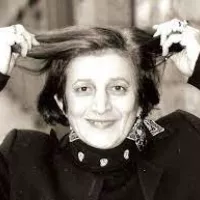
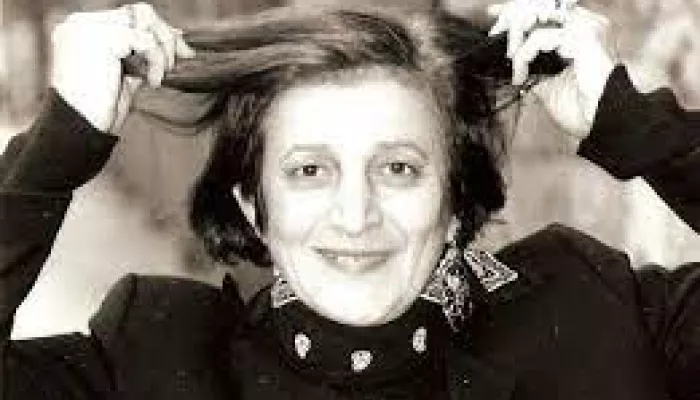
- Persona (from Latin) originally meant a mask or false face of clay or bark worn by actors. In literary and critical jargon, persona has come to denote the “person” who speaks in a poem or novel or other form of literature, esp. when this “person” is clearly not the writer. How does Mina Assadi make the distinction clear to readers?
- The fallible or unreliable narrator is one whose perception or interpretation of what he or she narrates does not correspond or coincide with the perceptions, interpretations, or opinions of the author. How does the poet make it clear to the reader that the persona in this poem is an unreliable narrator who should not be trusted?
- Is the persona in this poem a sympathetic character? Do you emotionally identify with them, or do you feel emotionally distant from them? How does this impact your recitation? What kind of tone would you adopt? Is it easy to strike a balance between bringing the persona to life and your awareness of the irony of the situation? Would you trust the audience’s ability to understand? Do you think it is a good idea to watch videos of speech delivered by contemporary or historical dictators and demagogues as part of preparation for reciting this poem? Why or why not?
Writing activity: Pick an unsympathetic character, someone whose views and actions you disagree with. You don’t have to choose someone you personally know. You can select a historical, political, or otherwise public figure. Write a persona poem based on their thoughts and emotions.
Useful Links
- Is Democracy Doomed? The Global Fight for Our Future | Timothy Snyder | TED
- The 2023 Dictators’ Playbook: Crushing Revolutions
- The 2023 Dictators’ Playbook: Stripping Dissidents of Citizenship
- The 2023 Dictators’ Playbook: Sending Military Support
- What the Islamic Republic Learned About Repression From Syria
- Mina Assadi reciting her poetry
Note: In developing questions 3 and 4, the following source has been consulted: Cuddo, J.A., Dictionary of Literary Terms and Literary Theory, Penguin Books, 2013.
Mina Assadi's "The Dictator's Message" translated by Dick Davis from The Mirror of My Heart: A Thousand Years of Persian Poetry by Women. Copyright © 2019 by Mage Publishers. Used with permission of Mage Publishers. All rights reserved.