
Now I set out across a minefield,
space having taken all I owned, I’m starting over
from a point where every pebble may explode
beneath my shoe and the flowers blaze up
behind my body as I gasp for air,
although in this world I’ve never known
either flames or dragons or the fury of war
in these lands where the sky was always calm
above the farms and the old schoolhouses,
and the schoolmistress from Angels’ road
has long since packed her bags in which,
under the blouses and wrinkled slips,
slept a handful of notebooks filled with stars —
so why is there suddenly
this thrashing in the leaves,
this breath of fire along the woods
across from which an electric fence
defines the limits of the farmlands
while farther off the lost wild geese
settle softly on the empty runway?
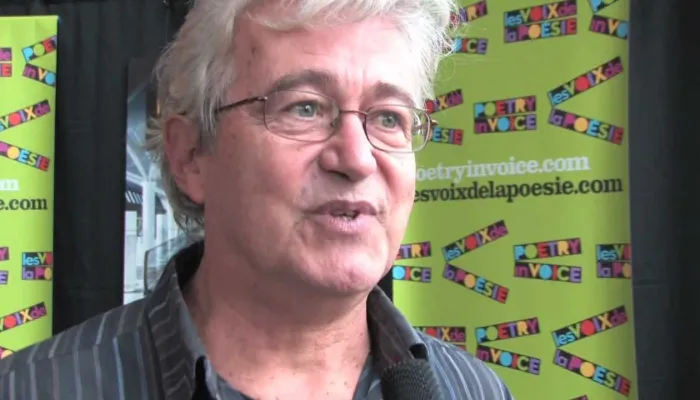
This poem invites you to discover the forms that outrage can take.
- This poem is related to a difficult period in Quebec’s history: the decision by the government at the time to seize highly fertile farmland to build a new international airport for Montreal. This airport project required the eviction of several farmers from their family lands. In your opinion, what is the poet Pierre Nepveu trying to express in this poem regarding this project? Do you agree or disagree with him?
- Identify the words or phrases that illustrate the intensity of the poet's emotion.
- What connection can you draw to “the lost wild geese" who "settle softly on the empty runway” in the closing lines of the poem?
- What do you think the phrase “space having taken all I owned” means?
- Recitation tip: Have you noticed that this poem contains only commas and that there are no other punctuation marks until the very end? The poet thus presents his poem to us in one go, as if it were a single long sentence. It would therefore be interesting to practice reciting this poem in this way, at a fairly quick pace, as if you were feeling anger and indignation.
Writing Activity
Our society has no shortage of issues that provoke outrage. Choose an issue that particularly outrages you and channel your outrage into poetry!
Pierre Nepveu, "Last Visit," from Mirabel. Véhicule Press, 2004. English translation copyright © 2004 by Judith Cowan. Reprinted by permission of Véhicule Press.